
Project Partners
Brunel University of London is a public research-intensive university located in Uxbridge, West London, and a member of the University of London federation. With a vibrant academic community of approximately 18,000 students and 2,500 staff from over 150 countries, Brunel is recognised as one of the most international universities globally. Its academic profile is rooted in professional, technical, and applied disciplines, with a strong emphasis on high-impact research, innovation, and real-world problem solving.
Brunel has an established reputation for research excellence in engineering, digital technologies, sustainability, and policy-relevant science. The university works extensively with industry, public authorities, and international partners to deliver solutions addressing pressing societal challenges, including climate change, infrastructure resilience, sustainable development, and environmental risk reduction. Within the PORTAL project, Brunel University of London acts as the project coordinator, leading project management and communication activities, contributing across all work packages, and providing expertise in threat-agnostic resilience, digital twins, multi-hazard risk assessment, and nature-based solutions, while also hosting and supporting international secondments and capacity-building activities.
People


Dr Abiy S. Kebede
Co-I
Senior Lecturer in Flood Eng

Prof Dimitris Malamis
Co-I
Environmental Eng
Prof Afshin Mansouri
Co-I
Supply Chain Management

Dr Eleni Iacovidou
Senior Lecturer in Environmental Management

Dr Muhammad Shafique
Lecturer in Civil &
Environmental Eng

Mr Seyyed Mohammad Hosseini
Doctoral Researcher
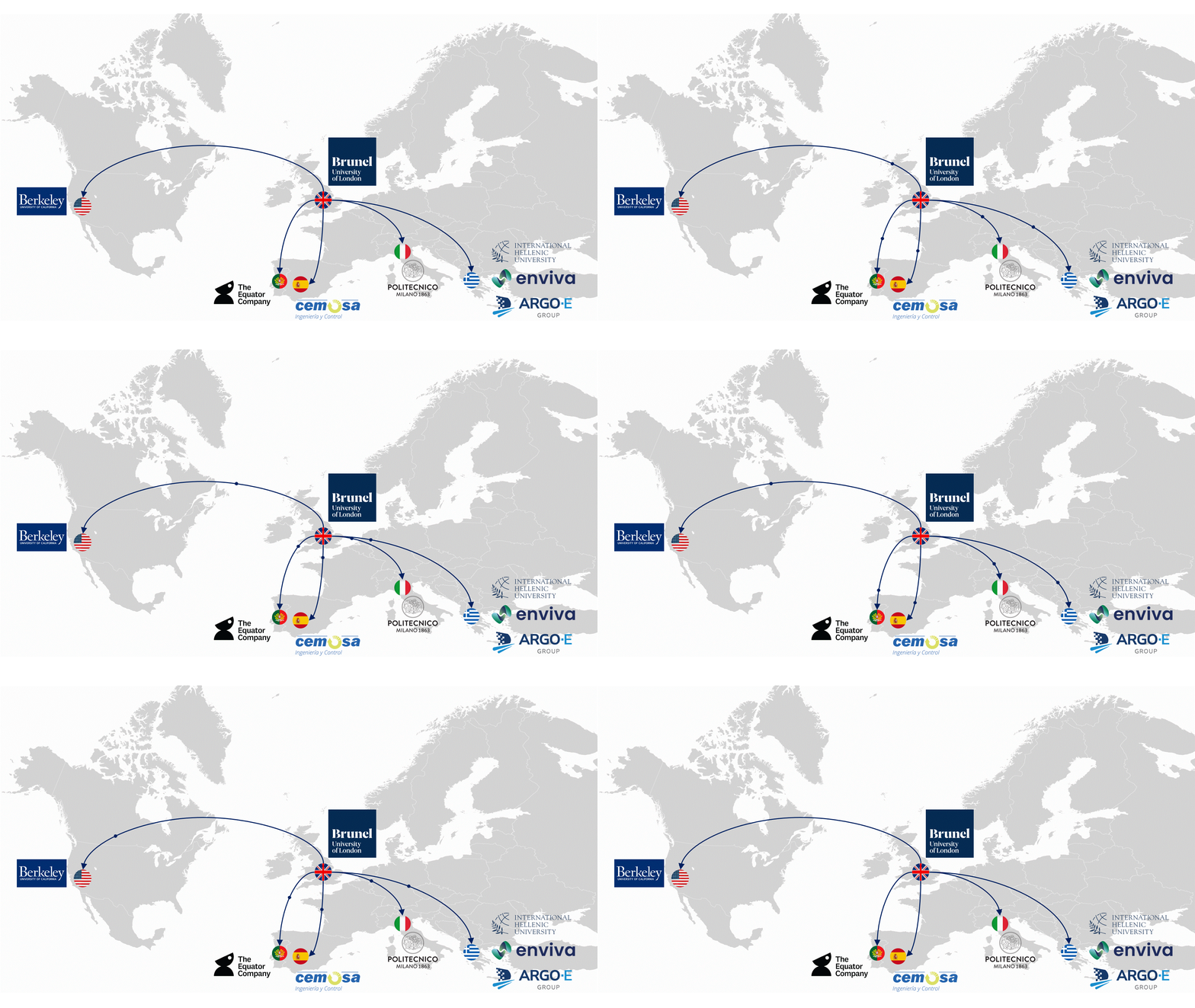
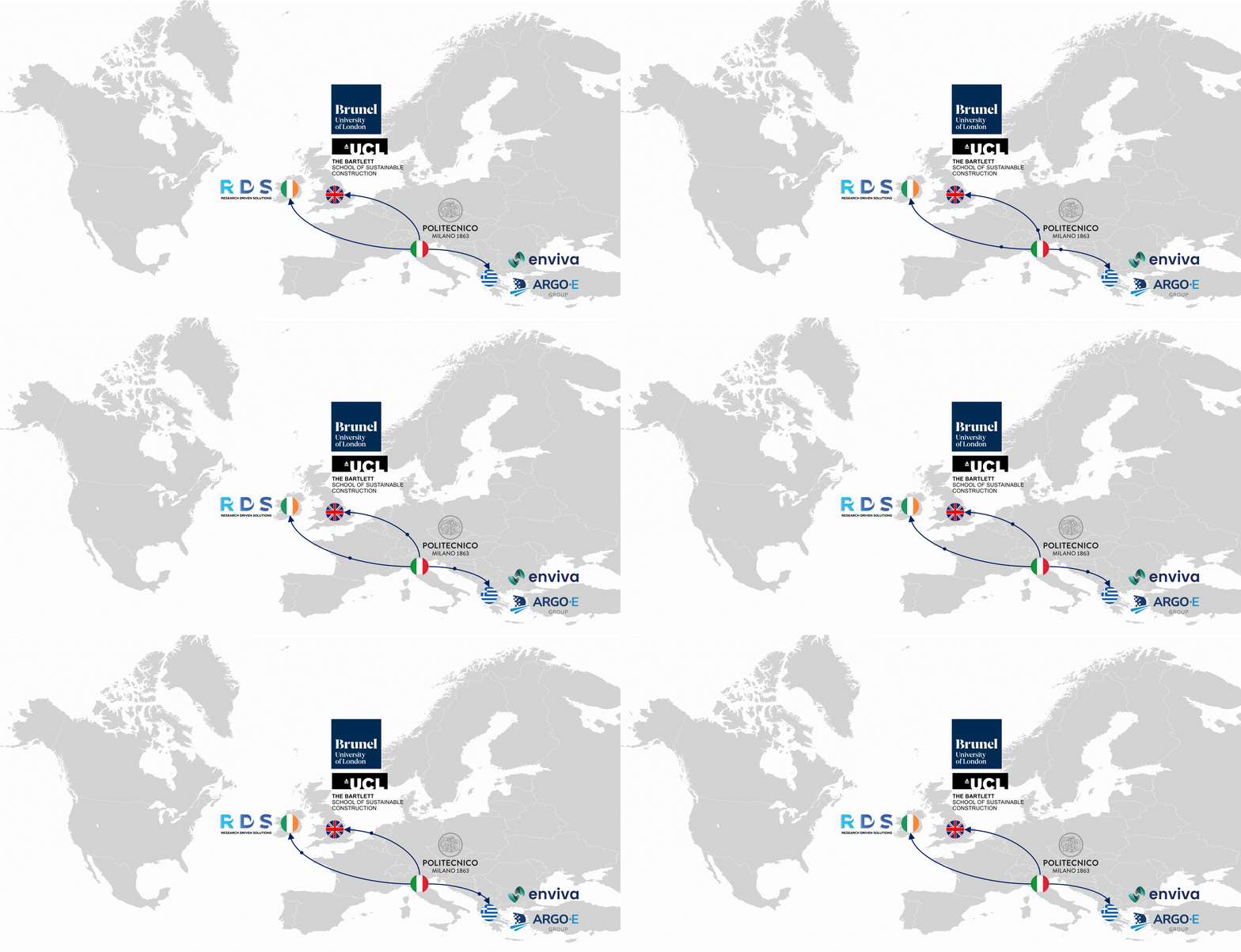
Planned Secondments
University College London
The Bartlett School of Sustainable Construction
 United Kingdom
University College London is a leading multidisciplinary research university based in London, founded in 1826 and internationally recognised for its excellence in research, innovation, and education. With more than 42,000 students and 13,000 staff from over 150 countries, UCL is consistently ranked among the world’s top universities and is the second-largest university in the UK by total enrolment, and the largest by postgraduate population.
UCL hosts one of the world’s foremost hubs for built environment research through The Bartlett Faculty, ranked number one globally for Architecture and the Built Environment. The university has a strong track record in infrastructure resilience, digitalisation, sustainability, and policy-relevant research, supported by advanced facilities in digital twins, geospatial analytics, high-performance computing, and data-driven decision support. Within the PORTAL project, UCL acts as the Scientific Manager, leading the development of the threat-agnostic resilience framework, synthetic scenario generation, and international dissemination activities, while contributing advanced expertise in cascading risk analysis, digital technologies, nature-based solutions, and stakeholder-driven resilience planning.
People



Dr Roberta Di Bari
Research Fellow
.
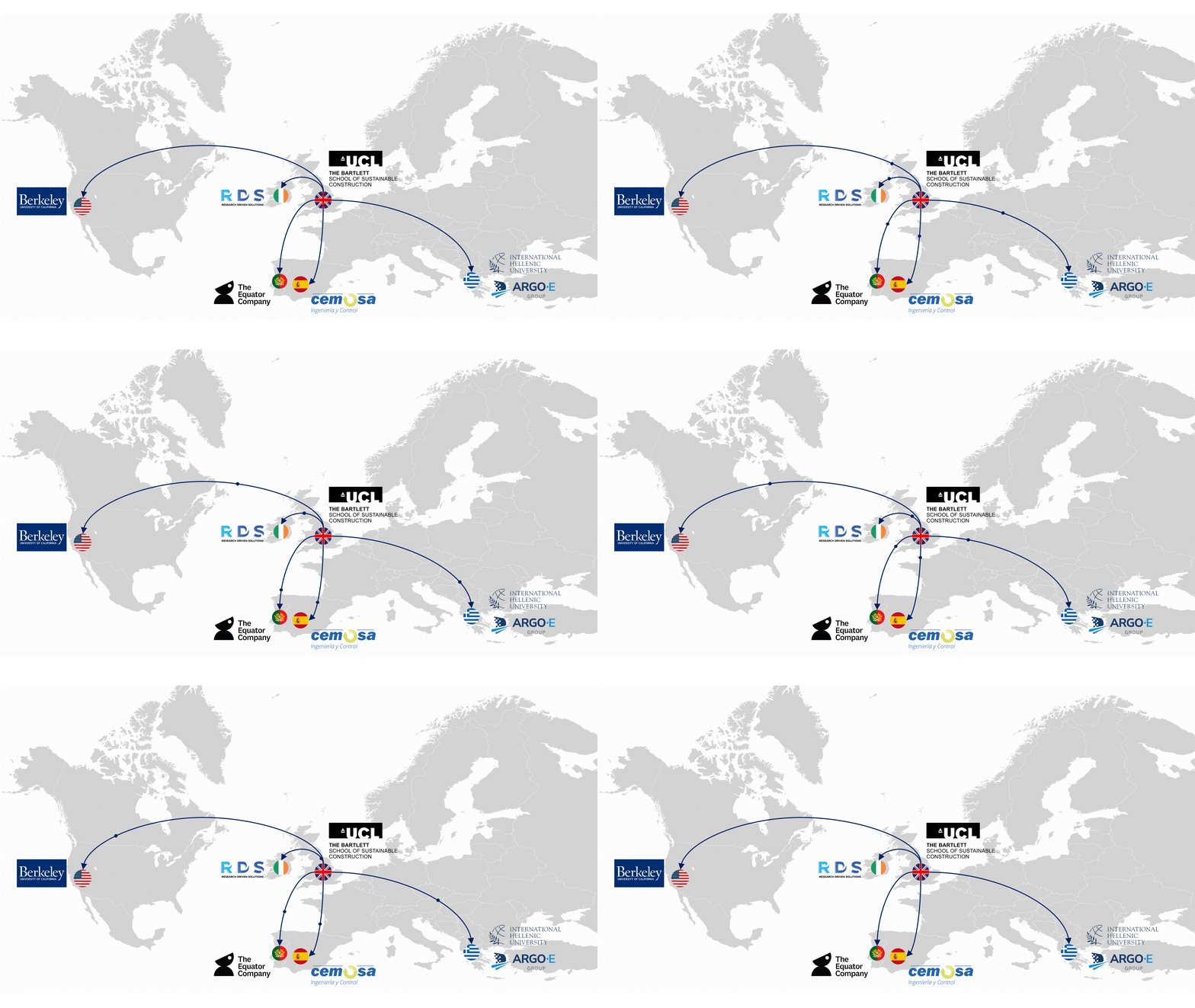
Planned Secondments
 Italy
Italy 
Politecnico di Milano is Italy’s largest technical university and one of Europe’s leading institutions in engineering, architecture, and design. Based in Milan, POLIMI is consistently ranked among the top global universities for civil and structural engineering and is internationally recognised for its excellence in applied research, innovation, and technology transfer. Its Department of Architecture, Built Environment and Construction Engineering (DABC) brings together multidisciplinary expertise spanning resilience, digitalisation, sustainability, and circular transition.
POLIMI has a strong research profile in critical infrastructure resilience, disaster risk reduction, climate adaptation, and participatory planning, supported by advanced facilities including materials testing laboratories, monitoring and dynamics laboratories, high-performance computing, and extensive research infrastructure. Within the PORTAL project, POLIMI plays a leading role in Work Package 3, coordinating the development of sustainable and resilience-driven adaptation measures and the open adaptation library, while also contributing to the threat-agnostic resilience framework, governance and stakeholder dynamics, and capacity-building activities. The institution provides advanced expertise in multi-risk and systemic vulnerability assessment, socio-economic trade-off analysis, nature-based solutions, and community-centred decision-making for resilient port ecosystems.
People

Prof Maria Pina Limongelli
Principal Investigator

Prof Scira Menoni
CO-I

Dr Veronica Gazzola
Co-I

Planned Secondments
 Greece
International Hellenic University is a public higher education institution in Greece, founded in 2019, with academic activities organised across nine schools and twenty-five departments in four cities. The Department of Civil Engineering, located in Serres, constitutes the core unit involved in the PORTAL project and focuses on applied research and education in infrastructure engineering, risk assessment, and climate adaptation.
IHU has a growing and well-established research profile in multi-hazard vulnerability and risk assessment of critical infrastructure systems, with particular emphasis on system interdependencies, operational performance, and damage identification using field data. The university has participated in several European and national research projects related to climate adaptation, infrastructure resilience, and port systems. Within the PORTAL project, IHU contributes across all technical work packages, providing expertise in threat-agnostic risk assessment, cascading failure analysis, socio-ecological systems, and dissemination and impact monitoring. In addition, IHU supports training, outreach, and policy-oriented activities, ensuring alignment of project outcomes with stakeholder needs and Horizon Europe dissemination requirements.
People

Dr Athanasia Kazantzi
Principal Investigator

Dr Stavroula Fotopoulou
CO-I
Planned Secondments

German Aerospace Centre
Institute for the Protection of Maritime Infrastructures
 Germany

DLR-MI Institute for the Protection of Maritime Infrastructures is a specialised research institute of the German Aerospace Center (DLR), located in Bremerhaven, Germany. Founded in 2017, the institute forms part of DLR’s security research activities and comprises approximately sixty researchers and administrative staff working across two departments: Resilience of Socio-technical Systems and Maritime Security Technologies.
DLR-MI has a strong research profile in risk and resilience assessment of maritime and port-related socio-technical systems, with particular expertise in threat scenario analysis, hybrid threats, digital twins, agent-based modelling, and situational awareness systems. The institute develops and applies advanced methods for resilience management, real-time operational assessment, multi-criteria decision support, and maritime security technologies, including multi-sensor networks, autonomous platforms, cyber-security, and data-driven situational awareness. Within the PORTAL project, DLR-MI contributes primarily to Work Packages 2, 3, and 4, supporting the threat-agnostic resilience framework, the development of resilience and adaptation strategies, and the integration of digital twins and predictive tools for port ecosystems. In addition, DLR-MI plays a key role in governance and stakeholder dynamics, training, dissemination, and outreach activities, ensuring the operational relevance and scalability of project outcomes for maritime infrastructure protection.
People

Dr Arto Niemi
Principal Investigator
Planned Secondments

 Portugal
The Equator Company is a non-academic SME based in Portugal, specialising in the integration of social science, governance, and policy expertise into complex technical, security, and resilience-oriented projects. The Equator Company focuses on bridging the gap between advanced risk and resilience modelling and real-world societal needs, ensuring that technical solutions are socially acceptable, operationally feasible, and politically implementable.
The Equator Company has a strong profile in socio-ecological governance, stakeholder engagement, policy translation, and capacity building, with experience across European research and innovation projects addressing critical infrastructure resilience and climate adaptation. Within the PORTAL project, Factor Social is the lead partner for the human and governance dimensions, playing a central role in defining the Socio-Ecological Systems (SES) framework, supporting the threat-agnostic resilience methodology, and ensuring people-centric and operator-focused adaptation strategies. The organisation leads Work Package 5 (Training, MOOC & Mobility) and key tasks in Work Packages 2, 3, and 7, including stakeholder engagement, participatory design, policy recommendations, and the development of training and educational tools. Through these activities, The Equator Company ensures that PORTAL’s technical outputs translate into actionable, inclusive, and policy-relevant solutions with long-term societal impact.
People

Prof José Manuel Palma-Oliveira
Principal Investigator

Ms Ana Bárbara Sarroeira
Researcher
.
Planned Secondments


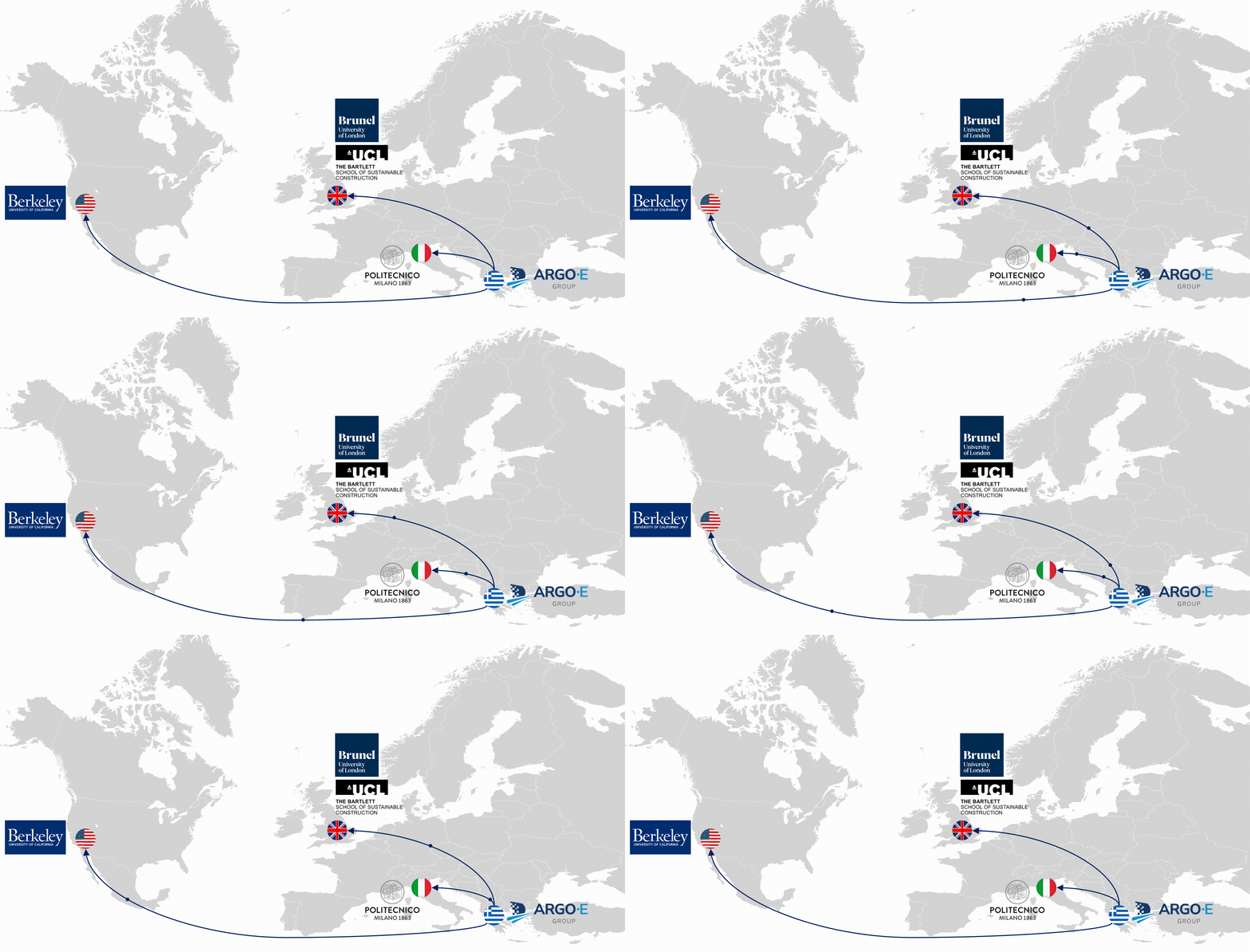
ARGO-E Group is a Greek engineering and informatics company specialising in geospatial data acquisition, reality modelling, digital twins, and advanced software solutions for infrastructure and environmental applications. ARGO-E integrates engineering, remote sensing, information technology, and data science to deliver high-impact, end-to-end solutions supporting infrastructure monitoring, risk assessment, and decision-making.
ARGO-E has a strong technical profile in reality modelling and digital twin development, remote sensing and geospatial analytics (including UAV LiDAR, photogrammetry, and satellite data), infrastructure inspection and monitoring, and immersive AR/VR visualisation and training environments. The company has contributed to several internationally recognised projects involving port and coastal infrastructure assessment, seismic and landslide monitoring, and urban-scale digital twins. Within the PORTAL project, ARGO-E contributes primarily to Work Packages 2, 3, and 4, supporting the development of the Socio-Ecological Systems (SES) baseline, digital twins for ports and adjacent ecosystems, and advanced visualisation and decision-support tools. Through its expertise in geospatial analytics, digital twins, and immersive technologies, ARGO-E strengthens PORTAL’s capacity to deliver operational, user-friendly, and data-driven solutions for threat-agnostic resilience and emergency preparedness in port ecosystems.
People

Mr John Manousakis
Principal Investigator
Planned Secondments
 Spain
Spain 
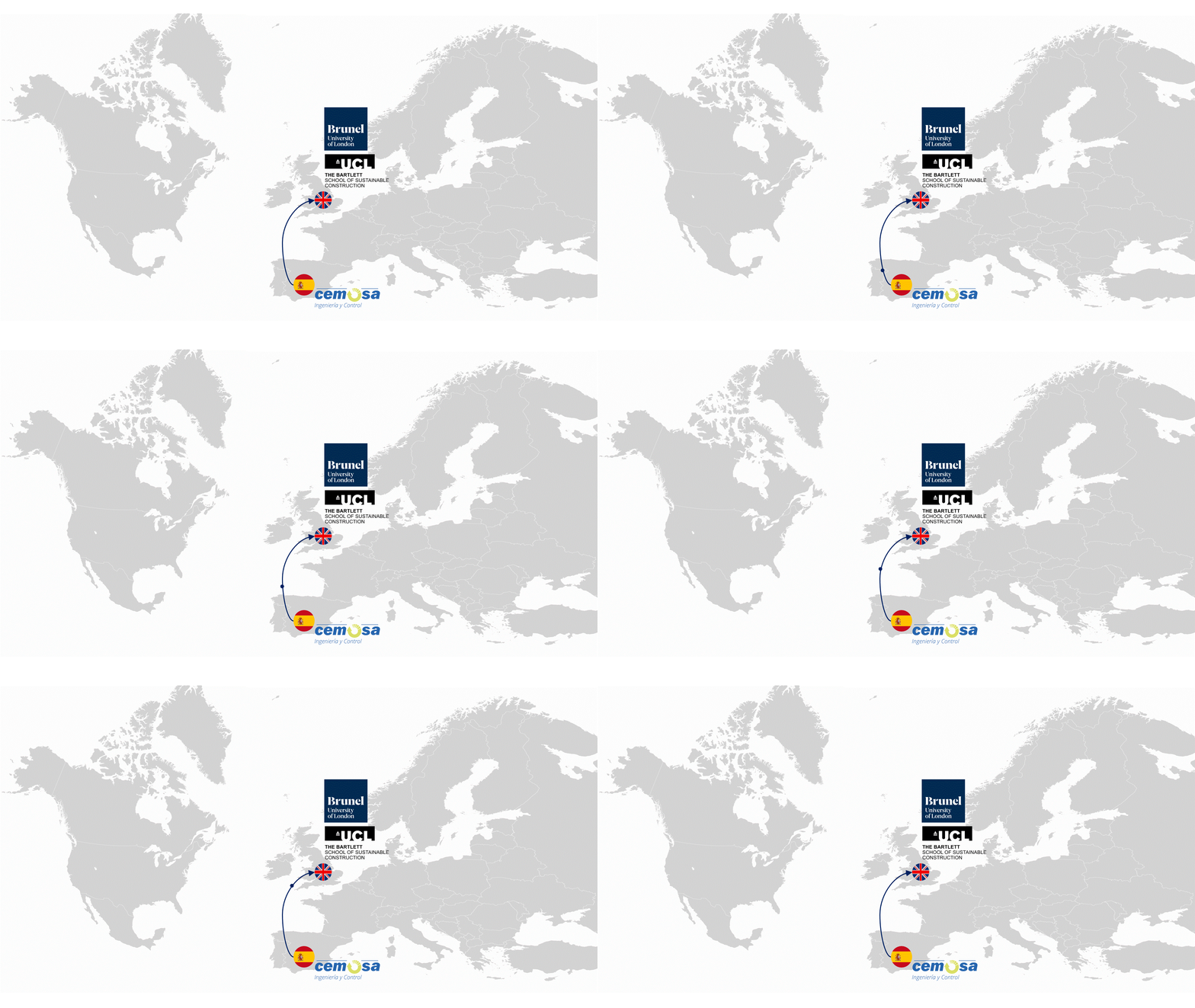
CEMOSA is an engineering consultancy and quality control company operating in the civil and industrial engineering sectors, including transport infrastructure and building services. Established in 1972, CEMOSA is a multidisciplinary organisation employing more than 1,000 professionals and operating in over 20 countries across Europe, Latin America, and Asia. Its expertise spans engineering design, quality control, certification, geotechnics, sustainability, health and safety, and research and innovation.
CEMOSA has a strong research and innovation profile in transport infrastructure resilience, digital twins, data science, and sustainability, with extensive experience in European R&I projects addressing disaster risk reduction, multi-hazard and cascading risk analysis, and climate adaptation. The company develops and applies advanced tools for digital twins, artificial intelligence and machine learning, vulnerability assessment, structural health monitoring, and nature-based solutions, supported by in-house laboratories and digital platforms. Within the PORTAL project, CEMOSA plays a key role in Work Packages 2, 3, 5, and 7, leading Task 5.4 (Industrial Training) and Deliverable D7.1 (Policy Recommendations and Advancements of the PISCO Approach), while contributing to resilience framework development, adaptation strategy assessment, and digital decision-support tools. Through these activities, CEMOSA strengthens the practical applicability, industrial relevance, and long-term policy impact of PORTAL’s threat-agnostic resilience solutions for port ecosystems.
People

Ms Paula Lopez
Principal Investigator
.

Mr Jose Solís Hernández
Co-I
.
Planned Secondments

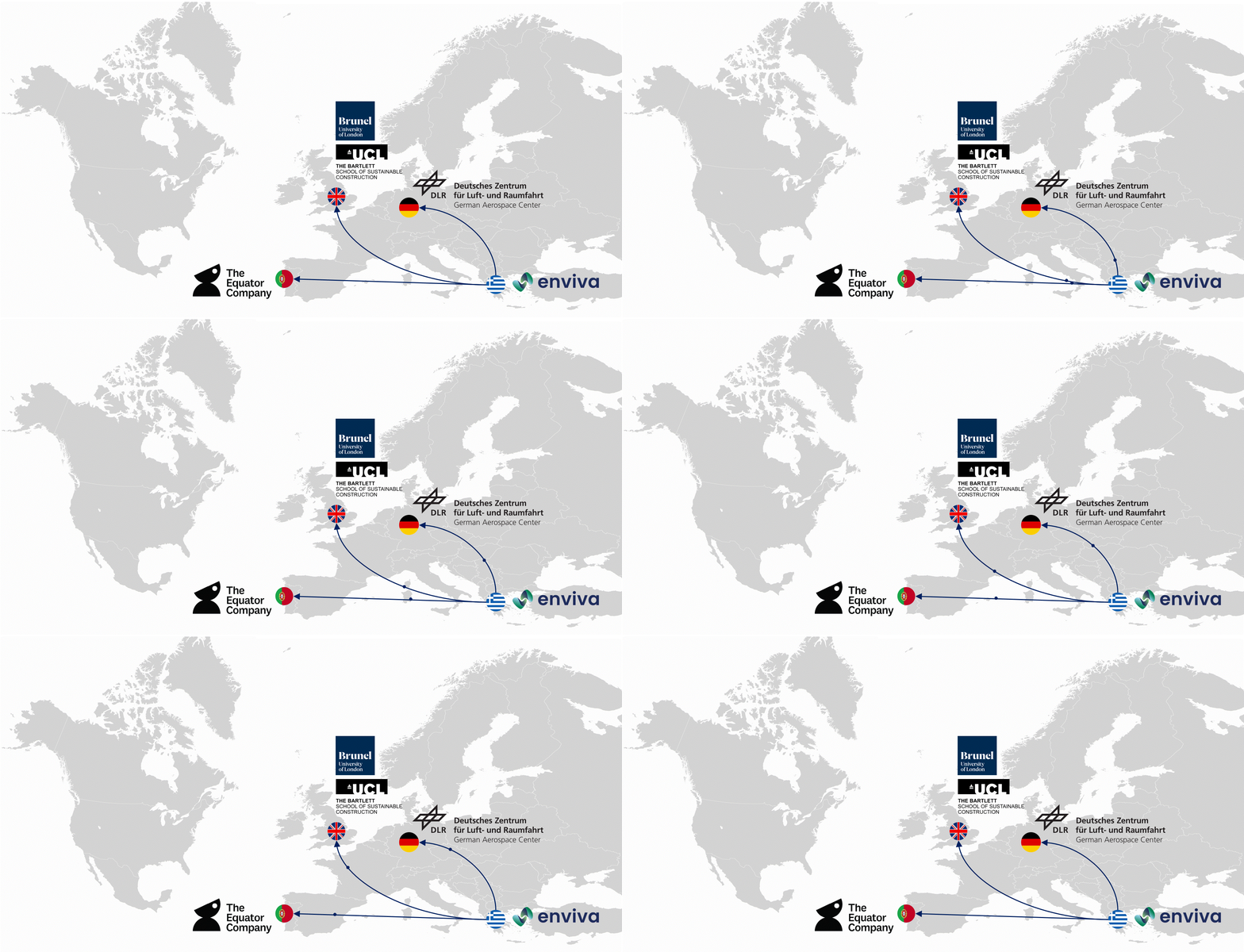
ENVIVA is a sustainability consultancy established in 2021 and affiliated with Imperial College London and the National Technical University of Athens (NTUA). Based in Athens, ENVIVA supports organisations in accelerating their transition towards climate neutrality by integrating sustainability science, circular economy principles, and digital innovation into decision-making processes.
ENVIVA has a strong interdisciplinary profile spanning sustainability and circularity modelling, techno-economic and social assessment, transparent reporting and traceability systems, and the development of digital decision-support tools. The organisation brings together a core team with over fifteen years of combined academic and industrial experience in sustainability consulting and the management of large-scale European research and innovation projects. Within the PORTAL project, ENVIVA plays a central role in Work Packages 2, 3, and 4, contributing circular-economy-integrated indicators, co-benefit and trade-off assessment frameworks, and user-centred decision-support logic for the PORTALCOMM platform. ENVIVA leads Task 4.2 and Deliverable D6.2 (Dissemination and Exploitation Plan), ensuring that modelling outputs, cascading-risk insights, and adaptation strategies from across the consortium are translated into clear, actionable, and stakeholder-tailored communication layers. Through extensive secondments with academic and industrial partners, ENVIVA strengthens the integration of sustainability, resilience, and digitalisation across all PORTAL use cases, supporting the delivery of policy-relevant and operationally robust solutions for threat-agnostic resilience of port ecosystems.
People

Dr Tadej Stepišnik Perdih
Principal Investigator
Planned Secondments
 Ireland
Research Driven Solutions is a research-led engineering consultancy specialising in structural dynamics, infrastructure monitoring, and data-driven assessment of critical transport assets. RDS focuses on translating advanced research methods into practical tools that support infrastructure owners and operators in managing safety, resilience, and performance under extreme events and operational uncertainty.
RDS has a strong technical profile in predictive tools, drive-by monitoring, vibration-based condition assessment, and digital twin development for bridges and transport infrastructure. The organisation has pioneered innovative approaches using vehicle-mounted sensors and accelerometers to detect structural degradation, foundation softening, and scour effects following extreme events such as floods—providing rapid, low-cost, and scalable post-event assessment capabilities. Within the PORTAL project, RDS contributes primarily to Work Packages 2 and 4, supporting the analysis of cascading failures, the development of predictive tools, and the integration of digital twins for threat-agnostic resilience assessment. Through targeted secondments with partners including IHU, UCL, and POLIMI, RDS advances methods for probabilistic resilience quantification, drive-by monitoring of road and railway bridges, and the operationalisation of digital twins to inform real-time decision-making for port and transport ecosystems.
People

Prof Eugene OBrien
Principal Investigator

Prof Alan O’Connor
CI

Dr E. Alexandra Micu
Researcher
Planned Secondments

 USA
USA 
University of California, Berkeley is a world-leading public research university based in Berkeley, California, and consistently ranked among the top institutions globally in engineering, geosciences, and infrastructure research. Within the PORTAL project, UC Berkeley is represented by the Department of Civil and Environmental Engineering, led by Professor Dimitrios Zekkos, with activities closely linked to the Berkeley Center for Smart Infrastructure and associated research laboratories.
UC Berkeley brings internationally recognised expertise in digital twins, multi-sensor monitoring frameworks, artificial intelligence, and regional-scale simulations for infrastructure resilience. The team operates state-of-the-art facilities including the GeoSystems Sensing and Analytics Laboratory (GeoSAL), which supports field deployment, remote sensing, UAV-based monitoring, fibre-optic sensing, and real-time data acquisition, as well as the SimCenter at Berkeley, providing open-source, high-performance computing tools for uncertainty quantification and multi-hazard resilience modelling. Within the PORTAL project, UC Berkeley contributes primarily to Work Packages 2 and 4, supporting the development of threat-agnostic resilience frameworks, cascading-hazard analysis, and predictive digital-twin tools for port and transport ecosystems. Through advanced modelling of interdependent infrastructure networks and the integration of monitoring and simulation data, UC Berkeley strengthens PORTAL’s capacity to deliver scalable, data-driven, and operationally relevant resilience solutions for complex port environments.
People

Prof Dimitrios Zekkos
Principal Investigator
Brunel University of London
Brunel University of London is a public research-intensive university located in Uxbridge, West London, and a member of the University of London federation. With a vibrant academic community of approximately 18,000 students and 2,500 staff from over 150 countries, Brunel is recognised as one of the most international universities globally. Its academic profile is rooted in professional, technical, and applied disciplines, with a strong emphasis on high-impact research, innovation, and real-world problem solving.
Brunel has an established reputation for research excellence in engineering, digital technologies, sustainability, and policy-relevant science. The university works extensively with industry, public authorities, and international partners to deliver solutions addressing pressing societal challenges, including climate change, infrastructure resilience, sustainable development, and environmental risk reduction. Within the PORTAL project, Brunel University of London acts as the project coordinator, leading project management and communication activities, contributing across all work packages, and providing expertise in threat-agnostic resilience, digital twins, multi-hazard risk assessment, and nature-based solutions, while also hosting and supporting international secondments and capacity-building activities.
People

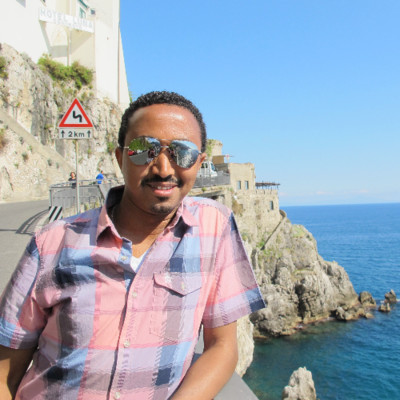
Dr Abiy S. Kebede
Co-I
Senior Lecturer in Flood Eng

Prof Dimitris Malamis
Co-I
Environmental Eng
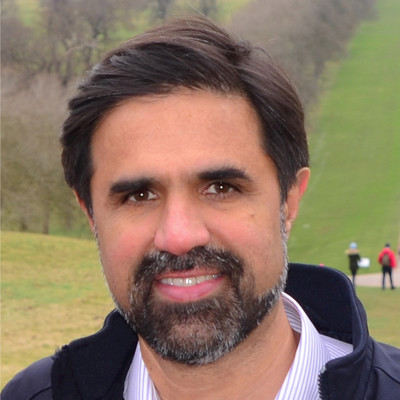
Prof Afshin Mansouri
Co-I
Supply Chain Management

Dr Eleni Iacovidou
Senior Lecturer in Environmental Management

Dr Muhammad Shafique
Lecturer in Civil &
Environmental Eng

Mr Seyyed Mohammad Hosseini
Doctoral Researcher
Planned Secondments
University College London
The Bartlett School of Sustainable Construction

University College London is a leading multidisciplinary research university based in London, founded in 1826 and internationally recognised for its excellence in research, innovation, and education. With more than 42,000 students and 13,000 staff from over 150 countries, UCL is consistently ranked among the world’s top universities and is the second-largest university in the UK by total enrolment, and the largest by postgraduate population.
UCL hosts one of the world’s foremost hubs for built environment research through The Bartlett Faculty, ranked number one globally for Architecture and the Built Environment. The university has a strong track record in infrastructure resilience, digitalisation, sustainability, and policy-relevant research, supported by advanced facilities in digital twins, geospatial analytics, high-performance computing, and data-driven decision support. Within the PORTAL project, UCL acts as the Scientific Manager, leading the development of the threat-agnostic resilience framework, synthetic scenario generation, and international dissemination activities, while contributing advanced expertise in cascading risk analysis, digital technologies, nature-based solutions, and stakeholder-driven resilience planning.
People




Dr Roberta Di Bari
Research Fellow
Planned Secondments

Politecnico di Milano
Politecnico di Milano is Italy’s largest technical university and one of Europe’s leading institutions in engineering, architecture, and design. Based in Milan, POLIMI is consistently ranked among the top global universities for civil and structural engineering and is internationally recognised for its excellence in applied research, innovation, and technology transfer. Its Department of Architecture, Built Environment and Construction Engineering (DABC) brings together multidisciplinary expertise spanning resilience, digitalisation, sustainability, and circular transition.
POLIMI has a strong research profile in critical infrastructure resilience, disaster risk reduction, climate adaptation, and participatory planning, supported by advanced facilities including materials testing laboratories, monitoring and dynamics laboratories, high-performance computing, and extensive research infrastructure. Within the PORTAL project, POLIMI plays a leading role in Work Package 3, coordinating the development of sustainable and resilience-driven adaptation measures and the open adaptation library, while also contributing to the threat-agnostic resilience framework, governance and stakeholder dynamics, and capacity-building activities. The institution provides advanced expertise in multi-risk and systemic vulnerability assessment, socio-economic trade-off analysis, nature-based solutions, and community-centred decision-making for resilient port ecosystems.
People

Prof Maria Pina Limongelli
Principal Investigator

Prof Scira Menoni
CO-I

DrVeronica Gazzola
Co-I

Planned Secondments
International Hellenic University
International Hellenic University is a public higher education institution in Greece, founded in 2019, with academic activities organised across nine schools and twenty-five departments in four cities. The Department of Civil Engineering, located in Serres, constitutes the core unit involved in the PORTAL project and focuses on applied research and education in infrastructure engineering, risk assessment, and climate adaptation.
IHU has a growing and well-established research profile in multi-hazard vulnerability and risk assessment of critical infrastructure systems, with particular emphasis on system interdependencies, operational performance, and damage identification using field data. The university has participated in several European and national research projects related to climate adaptation, infrastructure resilience, and port systems. Within the PORTAL project, IHU contributes across all technical work packages, providing expertise in threat-agnostic risk assessment, cascading failure analysis, socio-ecological systems, and dissemination and impact monitoring. In addition, IHU supports training, outreach, and policy-oriented activities, ensuring alignment of project outcomes with stakeholder needs and Horizon Europe dissemination requirements.
People

Dr Athanasia Kazantzi
Principal Investigator

Dr Stavroula Fotopoulou
CO-I
Planned Secondments
German Aerospace Centre
Institute for the Protection of Maritime Infrastructures

DLR-MI Institute for the Protection of Maritime Infrastructures is a specialised research institute of the German Aerospace Center (DLR), located in Bremerhaven, Germany. Founded in 2017, the institute forms part of DLR’s security research activities and comprises approximately sixty researchers and administrative staff working across two departments: Resilience of Socio-technical Systems and Maritime Security Technologies.
DLR-MI has a strong research profile in risk and resilience assessment of maritime and port-related socio-technical systems, with particular expertise in threat scenario analysis, hybrid threats, digital twins, agent-based modelling, and situational awareness systems. The institute develops and applies advanced methods for resilience management, real-time operational assessment, multi-criteria decision support, and maritime security technologies, including multi-sensor networks, autonomous platforms, cyber-security, and data-driven situational awareness. Within the PORTAL project, DLR-MI contributes primarily to Work Packages 2, 3, and 4, supporting the threat-agnostic resilience framework, the development of resilience and adaptation strategies, and the integration of digital twins and predictive tools for port ecosystems. In addition, DLR-MI plays a key role in governance and stakeholder dynamics, training, dissemination, and outreach activities, ensuring the operational relevance and scalability of project outcomes for maritime infrastructure protection.
People

Dr Arto Niemi
Principal Investigator
Planned Secondments

The Equator Company

The Equator Company is a non-academic SME based in Portugal, specialising in the integration of social science, governance, and policy expertise into complex technical, security, and resilience-oriented projects. The Equator Company focuses on bridging the gap between advanced risk and resilience modelling and real-world societal needs, ensuring that technical solutions are socially acceptable, operationally feasible, and politically implementable.
The Equator Company has a strong profile in socio-ecological governance, stakeholder engagement, policy translation, and capacity building, with experience across European research and innovation projects addressing critical infrastructure resilience and climate adaptation. Within the PORTAL project, Factor Social is the lead partner for the human and governance dimensions, playing a central role in defining the Socio-Ecological Systems (SES) framework, supporting the threat-agnostic resilience methodology, and ensuring people-centric and operator-focused adaptation strategies. The organisation leads Work Package 5 (Training, MOOC & Mobility) and key tasks in Work Packages 2, 3, and 7, including stakeholder engagement, participatory design, policy recommendations, and the development of training and educational tools. Through these activities, The Equator Company ensures that PORTAL’s technical outputs translate into actionable, inclusive, and policy-relevant solutions with long-term societal impact.
People

Prof José Manuel Palma-Oliveira
Principal Investigator

Ms Ana Bárbara Sarroeira
Researcher
Planned Secondments

ARGO-E
ARGO-E Group is a Greek engineering and informatics company specialising in geospatial data acquisition, reality modelling, digital twins, and advanced software solutions for infrastructure and environmental applications. ARGO-E integrates engineering, remote sensing, information technology, and data science to deliver high-impact, end-to-end solutions supporting infrastructure monitoring, risk assessment, and decision-making.
ARGO-E has a strong technical profile in reality modelling and digital twin development, remote sensing and geospatial analytics (including UAV LiDAR, photogrammetry, and satellite data), infrastructure inspection and monitoring, and immersive AR/VR visualisation and training environments. The company has contributed to several internationally recognised projects involving port and coastal infrastructure assessment, seismic and landslide monitoring, and urban-scale digital twins. Within the PORTAL project, ARGO-E contributes primarily to Work Packages 2, 3, and 4, supporting the development of the Socio-Ecological Systems (SES) baseline, digital twins for ports and adjacent ecosystems, and advanced visualisation and decision-support tools. Through its expertise in geospatial analytics, digital twins, and immersive technologies, ARGO-E strengthens PORTAL’s capacity to deliver operational, user-friendly, and data-driven solutions for threat-agnostic resilience and emergency preparedness in port ecosystems.
People

Mr John Manousakis
Principal Investigator
Planned Secondments
CEMOSA

CEMOSA is an engineering consultancy and quality control company operating in the civil and industrial engineering sectors, including transport infrastructure and building services. Established in 1972, CEMOSA is a multidisciplinary organisation employing more than 1,000 professionals and operating in over 20 countries across Europe, Latin America, and Asia. Its expertise spans engineering design, quality control, certification, geotechnics, sustainability, health and safety, and research and innovation.
CEMOSA has a strong research and innovation profile in transport infrastructure resilience, digital twins, data science, and sustainability, with extensive experience in European R&I projects addressing disaster risk reduction, multi-hazard and cascading risk analysis, and climate adaptation. The company develops and applies advanced tools for digital twins, artificial intelligence and machine learning, vulnerability assessment, structural health monitoring, and nature-based solutions, supported by in-house laboratories and digital platforms. Within the PORTAL project, CEMOSA plays a key role in Work Packages 2, 3, 5, and 7, leading Task 5.4 (Industrial Training) and Deliverable D7.1 (Policy Recommendations and Advancements of the PISCO Approach), while contributing to resilience framework development, adaptation strategy assessment, and digital decision-support tools. Through these activities, CEMOSA strengthens the practical applicability, industrial relevance, and long-term policy impact of PORTAL’s threat-agnostic resilience solutions for port ecosystems.
People

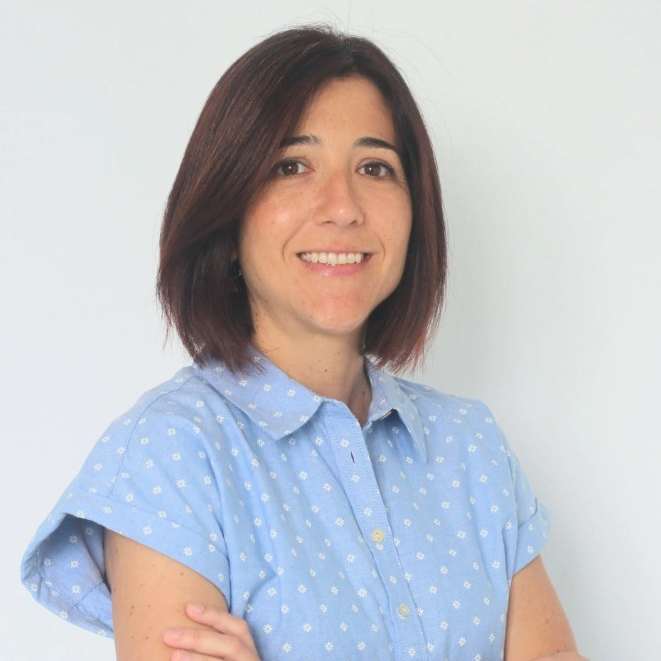
Ms. Paula Lopez
Principal Investigator

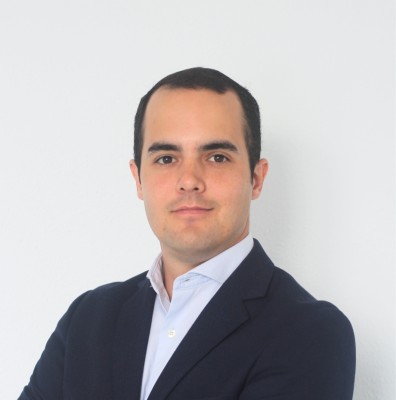
Mr Jose Solís Hernández
Co-I
Planned Secondments
ENVIVA
ENVIVA is a sustainability consultancy established in 2021 and affiliated with Imperial College London and the National Technical University of Athens (NTUA). Based in Athens, ENVIVA supports organisations in accelerating their transition towards climate neutrality by integrating sustainability science, circular economy principles, and digital innovation into decision-making processes.
ENVIVA has a strong interdisciplinary profile spanning sustainability and circularity modelling, techno-economic and social assessment, transparent reporting and traceability systems, and the development of digital decision-support tools. The organisation brings together a core team with over fifteen years of combined academic and industrial experience in sustainability consulting and the management of large-scale European research and innovation projects. Within the PORTAL project, ENVIVA plays a central role in Work Packages 2, 3, and 4, contributing circular-economy-integrated indicators, co-benefit and trade-off assessment frameworks, and user-centred decision-support logic for the PORTALCOMM platform. ENVIVA leads Task 4.2 and Deliverable D6.2 (Dissemination and Exploitation Plan), ensuring that modelling outputs, cascading-risk insights, and adaptation strategies from across the consortium are translated into clear, actionable, and stakeholder-tailored communication layers. Through extensive secondments with academic and industrial partners, ENVIVA strengthens the integration of sustainability, resilience, and digitalisation across all PORTAL use cases, supporting the delivery of policy-relevant and operationally robust solutions for threat-agnostic resilience of port ecosystems.
People

DrTadej Stepišnik Perdih
Principal Investigator
Planned Secondments
Research Driven Solutions
Research Driven Solutions is a research-led engineering consultancy specialising in structural dynamics, infrastructure monitoring, and data-driven assessment of critical transport assets. RDS focuses on translating advanced research methods into practical tools that support infrastructure owners and operators in managing safety, resilience, and performance under extreme events and operational uncertainty.
RDS has a strong technical profile in predictive tools, drive-by monitoring, vibration-based condition assessment, and digital twin development for bridges and transport infrastructure. The organisation has pioneered innovative approaches using vehicle-mounted sensors and accelerometers to detect structural degradation, foundation softening, and scour effects following extreme events such as floods—providing rapid, low-cost, and scalable post-event assessment capabilities. Within the PORTAL project, RDS contributes primarily to Work Packages 2 and 4, supporting the analysis of cascading failures, the development of predictive tools, and the integration of digital twins for threat-agnostic resilience assessment. Through targeted secondments with partners including IHU, UCL, and POLIMI, RDS advances methods for probabilistic resilience quantification, drive-by monitoring of road and railway bridges, and the operationalisation of digital twins to inform real-time decision-making for port and transport ecosystems.
People

Prof Eugene OBrien
Principal Investigator

Prof Alan O’Connor
CI

Dr E. Alexandra Micu
Researcher
Planned Secondments

University of California, Berkeley
University of California, Berkeley is a world-leading public research university based in Berkeley, California, and consistently ranked among the top institutions globally in engineering, geosciences, and infrastructure research. Within the PORTAL project, UC Berkeley is represented by the Department of Civil and Environmental Engineering, led by Professor Dimitrios Zekkos, with activities closely linked to the Berkeley Center for Smart Infrastructure and associated research laboratories.
UC Berkeley brings internationally recognised expertise in digital twins, multi-sensor monitoring frameworks, artificial intelligence, and regional-scale simulations for infrastructure resilience. The team operates state-of-the-art facilities including the GeoSystems Sensing and Analytics Laboratory (GeoSAL), which supports field deployment, remote sensing, UAV-based monitoring, fibre-optic sensing, and real-time data acquisition, as well as the SimCenter at Berkeley, providing open-source, high-performance computing tools for uncertainty quantification and multi-hazard resilience modelling. Within the PORTAL project, UC Berkeley contributes primarily to Work Packages 2 and 4, supporting the development of threat-agnostic resilience frameworks, cascading-hazard analysis, and predictive digital-twin tools for port and transport ecosystems. Through advanced modelling of interdependent infrastructure networks and the integration of monitoring and simulation data, UC Berkeley strengthens PORTAL’s capacity to deliver scalable, data-driven, and operationally relevant resilience solutions for complex port environments.
People

Prof Prof Dimitrios Zekkos
Principal Investigator